Here’s something I watched happen over and over on our bakery floor, and I see it now across every shop I work with: the tighter money gets, the more people cling to their small, reliable joys.
They’ll skip the big vacation. They’ll cancel a subscription, pack more lunches, put off the new couch. But that six-dollar pastry on a Friday morning? The birthday cake that makes their kid’s whole year? That doesn’t get cut. If anything, it gets more important, because when the big splurges are off the table, the little ones have to carry more weight.
The industry data backs this up. Even with rising prices and a higher cost of living pushing people to trim their spending in 2025, consumers kept trading up to premium baked goods — the ones with better flavors, better textures, better stories.
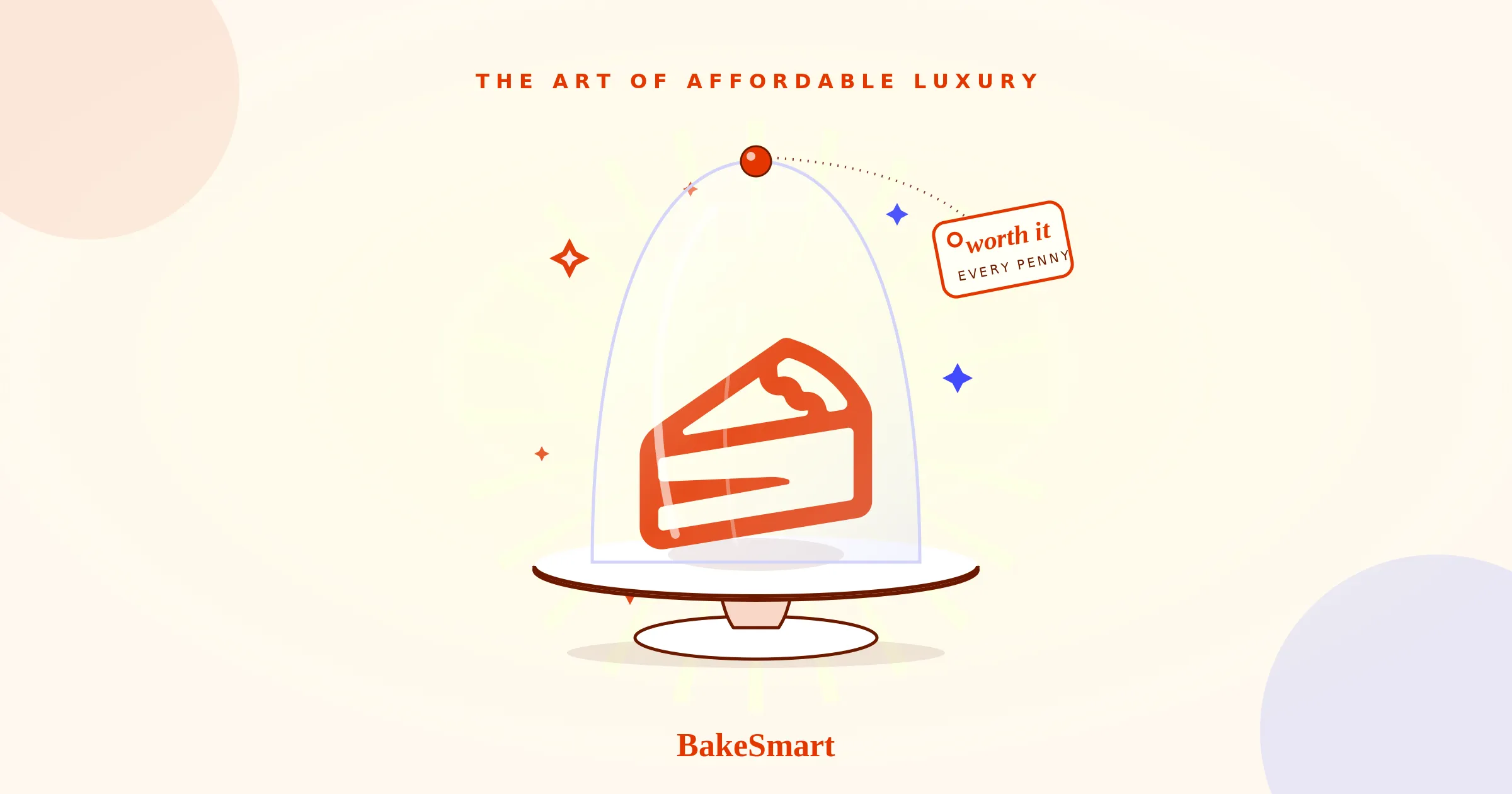
Researchers have a name for it: affordable luxury.
It’s the treat that feels indulgent without requiring a second mortgage. And it is exactly the lane an independent bakery is built to win. So the question at the midpoint of 2026 isn’t whether people will pay a premium. They already are. The question is whether your bakery is giving them a reason to.
My dad had a saying
My dad built his business in the 1980s, right in the thick of the “war on drugs,” and he had a line he loved about what we did all day: “We sell legal crack.” It was a joke (a dark, very-1980s joke) and I can still hear him delivering it with a grin. I’ll apologize on his behalf. But here’s the thing: he wasn’t entirely wrong.
Sugar is genuinely habit-forming. And a bakery done right? That’s downright addictive. Not because of the sugar alone…anybody can sell sugar; the gas station down the street sells sugar. It’s addictive because of everything wrapped around it: the smell that hits you at the door, the warmth of being recognized, the little ritual of the Saturday morning stop. Done right, you’re not selling a product people occasionally buy. You’re building a craving people come back to feed. And a customer who craves what only you can give them doesn’t flinch at a premium. They pay it gladly, again and again, because you’ve become part of how they take care of themselves.
That’s the real engine under “affordable luxury.” It isn’t a one-time splurge. It’s a habit you’ve earned.
Premium isn’t a price. It’s a feeling of “worth it.”
Let me be clear about what premium actually means, because it gets misunderstood a lot
Premium is not slapping a higher number on the same croissant and hoping nobody notices. Customers notice. What premium really means is that the moment they hand over the money, it feels worth it and often, worth telling someone about. That feeling doesn’t come from the price tag. It comes from everything around it: the quality they can taste, the way it’s presented, the story behind it, and how the whole visit made them feel.
This is the part I care about most, because it’s the part I lived. When money got tight in our shop, we didn’t shrink. We pressed in. We didn’t cut the specials. We made them better, because a great special is what pulls someone through the door in the first place. Then we worked like crazy to make sure the visit was so warm, so fun, and so downright delicious that we became the first place people thought of when they wanted to make a memory. That’s what earns a premium. You’re not charging more for a cookie. You’re charging for the fact that you made someone’s ordinary Tuesday feel like a small celebration.
Why the numbers say now is the moment
There’s a real financial reason to lean into this in 2026, not just a feel-good one.
As inflation cooled, the average bakery’s gross operating margin recovered to 29.8% last year, and it’s projected to keep climbing toward 30.5% by 2030. That recovery is fragile, though — ingredient costs for the staples in your kitchen are expected to stay volatile for years. Which means the bakeries that protect their margin won’t be the ones racing everyone else to the bottom on price. They’ll be the ones confident enough to charge what their work is worth, because they’ve made it worth it.
Premium is how a small shop survives a volatile-cost world without gutting quality or grinding the team into the ground. Competing on “cheapest” is a fight you will lose to Costco every single time. Competing on “worth it” is a fight only you can win.
How to price, present, and position so your best items sell themselves
Here’s the practical part — the moves I coach bakeries through now.
Stop apologizing for your prices. I mean this literally. When a staff member rings up a $58 custom cake with a little wince in their voice, the customer feels it. Train the team to state the price like it’s obviously fair — because it is. Confidence at the counter is worth more than any discount.
Make quality visible. People pay premium for what they can perceive. Real butter, local fruit, the fact that it was made this morning by hand — say it out loud. Put it on the case card, the menu, the sign. If your ingredients are better, don’t make customers guess.
Give the “affordable” a way in. Affordable luxury works best when there’s a low-commitment door. A single beautiful cookie, a two-bite mini, a slice instead of a whole cake. It lets a budget-conscious customer say yes to the experience without a big spend and once they’ve tasted it, the whole cake becomes an easy next step.
Sell the occasion, not the item. “A dozen cupcakes” is a transaction. “The thing that makes the office party” is a memory. Merchandise and name your products around the moments they create, and the price stops being the headline.
Let the shop do the selling. A gorgeous display case, a photo-worthy corner, a genuinely warm hello…these are what make a premium price feel like a gift instead of a gouge. The experience is the product.
Price with confidence, backed by what you can actually see
Now the systems and software part, because confidence at the counter is a whole lot easier when you’re not guessing about your business.
Charging a premium stops feeling scary the moment you can see what’s really going on. Which of your products do customers come back for again and again? Who are your most loyal regulars, and what do they order? What’s already on the books for next week, so you can plan production and never let quality slip on a busy Saturday? When your sales, your customers, and your upcoming orders are right in front of you, you stop pricing out of fear and start making decisions out of confidence.
That’s where good systems earn their keep and it’s the part I get to work on now. Running your eCommerce, point of sale, and order management in one place means the premium experience you’ve built at the counter carries all the way through online ordering and pickup. Production reporting for future orders lets you plan ahead instead of scrambling, so the quality never slips when it counts. Customer management shows you exactly who your regulars are, so you can treat them like the VIPs they are.
And the wholesale module opens a whole second premium channel, selling what you make to other bakeries and local businesses who want it. None of that bakes the cake for you. What it does is hand you back the time, headspace, and clarity to pour into the part only you can do: the experience that makes your work worth every penny.
The bottom line
In a tight economy, people don’t stop treating themselves — they get pickier about where the treat comes from. They want it to be worth it. That is the single biggest opening an independent bakery has right now, and it’s yours to take.
Don’t shrink to meet the moment. Lean in. Sharpen the specials, make the visit unforgettable, price your work like you believe in it — and become the place people choose precisely because it feels a little special. That’s not surviving a tight economy. That’s out-experiencing everyone in it.